Articles › Read this first
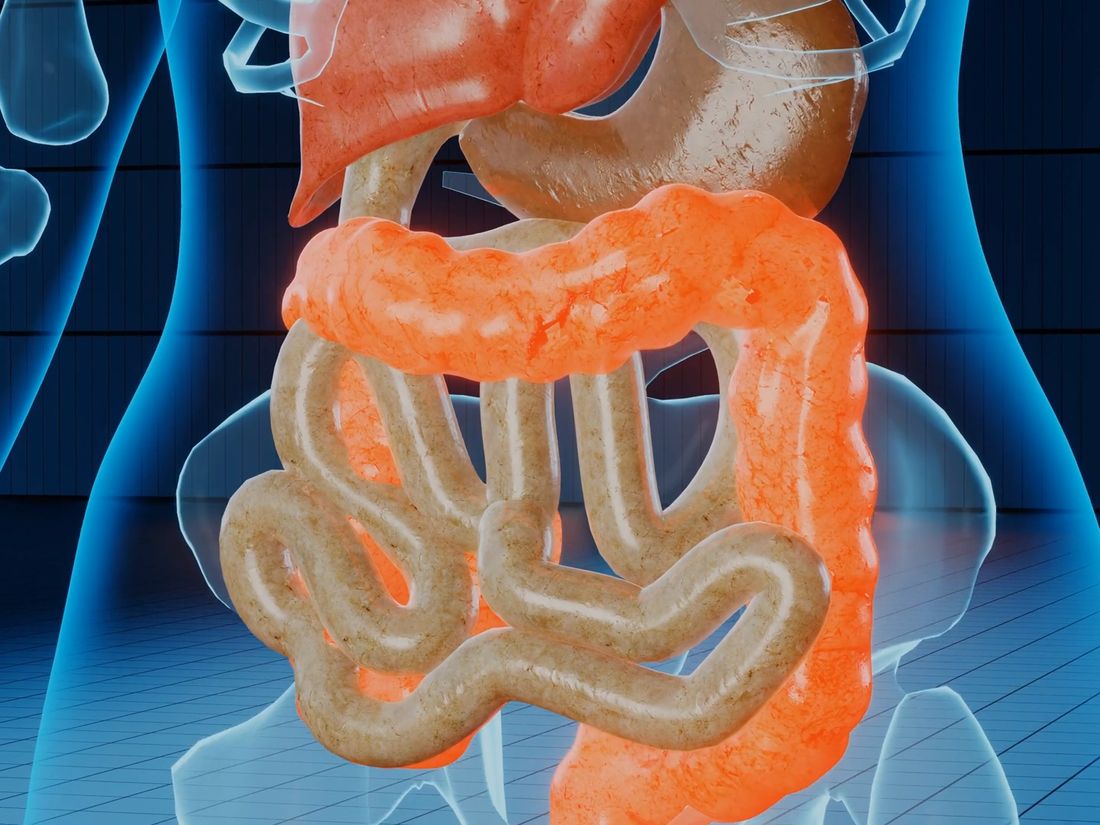
Does the Tayyibat diet help the colon?
Many people who follow it say yes, and the colon is usually the first thing they say calmed down. Dr. Al-Awadi built his no list around the foods he blamed for colon trouble: milk, eggs, chicken, flour and fava beans. His rule was simple: as long as your digestive system complains, the food is wrong.
What people have been living with
The colon is the question readers ask about most. The stories that come in, and the ones callers told him on air, sound alike:
- bloating that builds all day, until the stomach looks swollen by evening
- gas and cramping soon after a meal
- constipation that lasts a week or two at a time
- loose stool one week, hard the next
- a sudden rush to the bathroom after eating
- a "lazy bowel", and a stomach bug that keeps coming back
- years of tests and medicines, and being told it is nerves or stress
In Arabic it has one name everyone knows: القولون العصبي, the nervous colon. Dr. Al-Awadi did not accept
the "nerves" part. Other doctors blamed your body,
he said. They told people they were ill because of
their colon nerves or their personality, when in his view the problem was on the plate.
What people who followed him say
A woman who called in described thirty years of it: a nervous colon, a lazy bowel, a stomach bug,
constipation that went on for one or two weeks, migraines. I left no doctor, no treatment, no hospital,
she said, and she had tried every diet and every folk remedy before his.
Watch her testimony.
A man in another video describes bags full of medicines that did nothing for his colon, and constipation so
bad it ended in surgery for a fissure in 2024. I was with you doctors for 35 years,
he says. The video is
called "I attacked the Tayyibat system, then tried it myself".
Watch it here.
A commentator who looked at why the diet spread so fast on social media gave two reasons, and the first was people with colon and stomach problems, who felt a quick and sudden change once they started. Source. Even a podcast made to criticise him agreed on this one point: drop those foods and colon health improves. Source.
Dr. Al-Awadi gave his own timeline in one recording: for the nervous colon, six days at most
.
Source.
Milk: what reaches the colon
The colon catches everything that goes in through the mouth,
he said. Whatever the stomach cannot
finish ends up there. Milk is the clearest case. Its protein, casein, sets into a thick curd that the stomach
struggles to break down. Most adults also stop making the enzyme for milk sugar. That sugar travels on to the
colon, the bacteria there ferment it, and fermentation makes gas. Gas stretches the gut wall, and that stretch
is the cramping and bloating people describe. Milk is off the list,
his own ruling.

Eggs and chicken: take them out together
This is the advice people hear most, and it is his. His recording on eggs is called "Protect your colon and your lungs". In it he tells the story of a young man with a nervous colon and a low mood, and his answer is short: take out the eggs and the chicken. Source. In a recording about chicken he describes the gut's defence cells crowding into the wall of the intestine and the colon, reacting to what factory chicken carries, meal after meal. Source. The book's reason for both is the factory farm: the same feed, the same system, in the meat and in the shell. Eggs and chicken are off the list, his own rulings.
Flour and fava beans
On flour he was direct. He said he banned it because it blocks absorption and because of the harm it does, and what it leaves behind, in the stomach, the intestines and the colon. Source. White bread is the first food dropped in week one, his own ruling. White flour as an ingredient follows from the same rule against factory food, so pastry, pasta and breaded coatings go with it.
Fava beans, the ful people eat for breakfast across Egypt, got the bluntest line of all:
No one who eats ful has a good colon.
Source.
Broad beans are off the list, his own ruling. The rest of
the story is in are beans and lentils allowed.
The first days: what stays on the plate
The book's staples carry the first days, all four his own rulings, all four a yes: white rice, potato, dates and natural butter. In practice that means rice with butter, a potato mash, dates for something sweet, small plates, and food cooked rather than raw. Raw salad and citrus are off too, for reasons of their own: why salad is off and why lemon and citrus are off. Forty recipes built from the yes list are on the recipes page.

People also ask
Does the Tayyibat diet help the colon?
Many people who follow it say yes, and the colon is often the first thing they say calmed down. Dr. Al-Awadi built the no list around the foods he blamed for colon trouble: milk, eggs, chicken, flour and fava beans.
Which foods did Dr. Al-Awadi blame for colon trouble?
Milk, eggs, chicken, flour and fava beans. Milk, eggs, chicken, white bread and broad beans are his own rulings. White flour as an ingredient follows from his rule against factory food.
How fast do people say they feel a difference?
In one recording he said six days at most for the nervous colon. People who followed him often describe a quick change once those foods were gone.
Why take out eggs and chicken together?
It is his own advice. In his recording on eggs, titled "Protect your colon and your lungs", he tells a young man with a nervous colon to take out the eggs and the chicken. The book's reason for both is the factory farm.
What do I eat in the first days?
The book's staples: white rice, potato, dates and natural butter. Rice with butter, a potato mash, dates for something sweet, small plates, and food cooked rather than raw.

This article shares what Dr. Al-Awadi taught and what people who followed him say about their own experience. It is information, not medical advice. Keep taking any medicine your doctor prescribed. How we source