Articles › The rules
Fasting on the Tayyibat diet: Mondays, Thursdays and the white days
Mondays and Thursdays, dawn to sunset, then a normal evening meal. Plus the three white days of the lunar month, the 13th, 14th and 15th. About ten days a month. The rhythm matters more than the length, and fasting is optional inside the system.
The rhythm
Two layers. The weekly one never changes: Monday and Thursday. The lunar one moves: the 13th, 14th and 15th of each Hijri month, when the moon is full and bright, which is why they are called the white days.
When a white day lands on a Monday or Thursday, it is one fast, not two. You do not stack them.
Fasting hours are real solar times, not fixed clock times. Dawn to sunset is about ten hours in a northern winter and sixteen at midsummer. Use the times for where you actually are.
How to break it
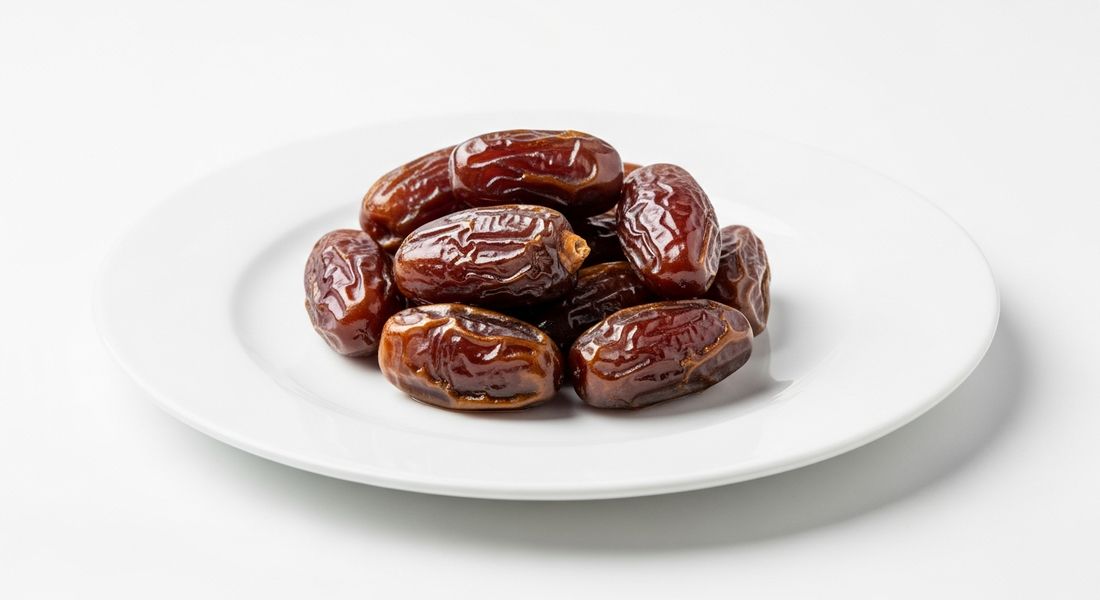
Dates and water, then a short plate. Warm dates in ghee, then rice soup in broth, is the book's own first fast day. Keep the evening light. It is a meal, not a feast.
During the fast: water once you have broken it, and on the site's reading, plain tea or black coffee from dawn to sunset. Nothing with milk.
Why he built fasting into the system
When food stops arriving, cells begin dismantling their own damaged parts and recycling the pieces. The process is called autophagy, and Yoshinori Ohsumi won the 2016 Nobel Prize in Physiology or Medicine for showing how it works. Withdraw nutrients and the cell changes job from construction to clearance. Insulin falls. Stored fat is released. The book's line: your body has a maintenance mode, and it only runs when you stop eating.
Do not extend it heroically. The rhythm matters more than the duration.
When to add the fasting days
Last. Week four of the four-week plan. Someone attempting a dawn-to-sunset fast in week one, still full of white bread, has a miserable day. Someone attempting it in week four barely notices.
Who should not fast
If you are pregnant, breastfeeding, underweight, elderly, diabetic, or on medicine that must be taken with food, follow the food rules and skip the fasting. You lose very little. And drink water whenever you are thirsty, including with meals: some versions of this system tell people to restrict fluid around eating, and the book does not. Thirst is the instruction.
Ramadan
The system fits it naturally. Break with dates and water, then a short plate. It is close to how the month was traditionally eaten anyway.
People also ask
Is the Tayyibat fast the same as intermittent fasting?
It is a form of it: dawn to sunset on set days, rather than a daily eating window. The rhythm follows the Islamic tradition of Monday, Thursday and the white days.
Can I drink water or coffee while fasting?
From dawn to sunset: water, black coffee or plain tea, on the site's reading of the rules. After sunset, water whenever you are thirsty.
Who should not fast?
The book: if you are pregnant, breastfeeding, underweight, elderly, diabetic, or on medicine that must be taken with food, follow the food rules and leave the fasting alone.
How do I break the fast?
Dates and water, then a short plate. Warm dates in ghee, then rice soup in broth, is the book's own first fast day. A meal, not a feast.

This article shares what Dr. Al-Awadi taught and what people who followed him report. It is information, not medical advice. Keep taking any medicine your doctor prescribed. How we source